The reception seating chart tends to become a project of its own. You might spend an evening moving names between tables, comparing groups and deciding where everyone will feel comfortable. The ceremony can deserve a smaller version of that conversation, especially if there are people you want close to you during your vows.
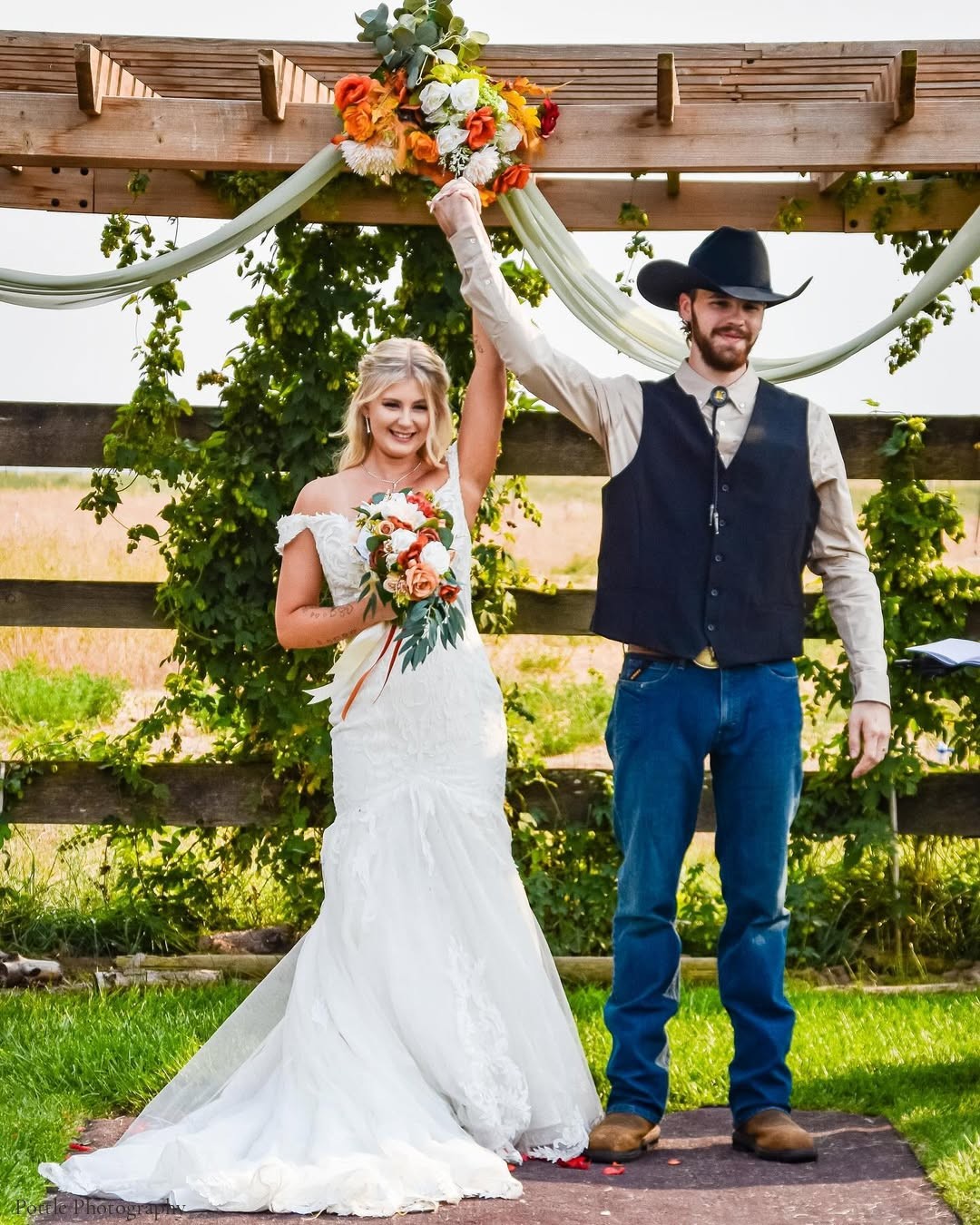
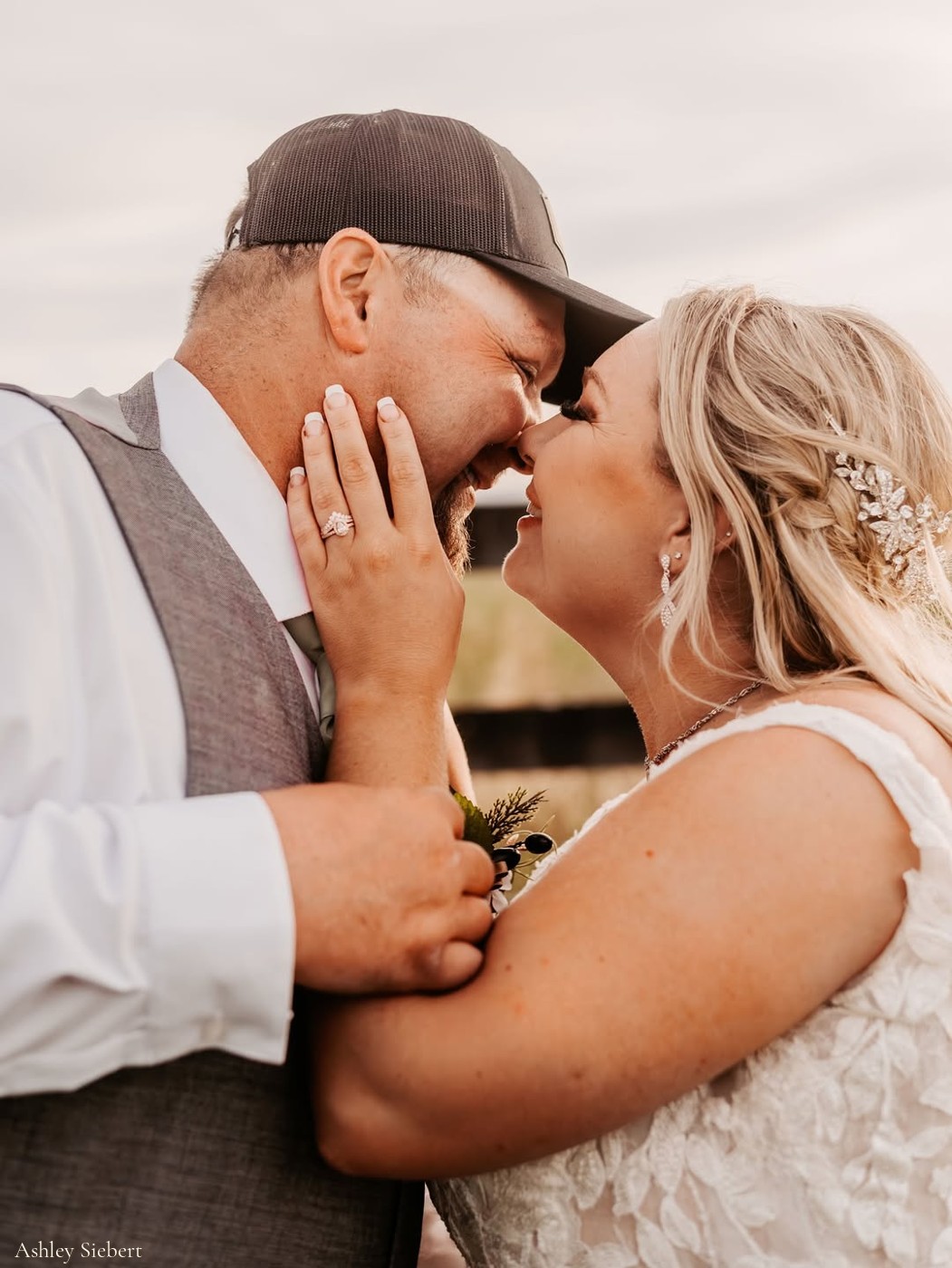
As you picture your ceremony at Stone Ridge Estates in Pasco, Washington, consider who you want to see when you reach the front and look up. The wedding photographs accompanying this article are inspiration from individual celebrations, not a promise of a particular ceremony layout.
Begin with people rather than a row label
A card that says ‘reserved’ leaves several questions unanswered. Reserved for whom? Are partners included? Is a relative expected to sit on one particular side?
Start with the names of the people you would like nearby. Consider parents, grandparents, guardians, stepparents or chosen family according to your own relationships. There is no need to make every family fit one traditional pattern. A short list of intended guests is more useful than assuming that everyone understands what ‘family seating’ means.
If you are unsure how someone would feel about an arrangement, have a quiet conversation before the wedding. You do not need to explain private family circumstances to the whole guest list. You do need a plan that the people involved understand.
Include partners in the count
Count people, not invitations. If someone is arriving with a partner, decide whether you want to reserve their places together. A plan that names one relative but overlooks the person accompanying them can leave a seating helper trying to make a decision at the last minute.
Write the names clearly and check the count against the actual ceremony layout with your venue or coordinator. Avoid assigning a fixed number of people to a row from a photograph. Chair arrangements can differ between weddings, and a photograph does not establish the available space for your particular plan.
Leave a place for the person walking with you
The person beside you in the aisle may need a seat after that walk is finished. Decide where they will go, whether they will sit beside someone in particular and how they will reach that place.
Talk through the handoff as part of your rehearsal or ceremony conversation. This is not about choreographing every movement. It is a small way to keep someone important from having to search for a chair while the ceremony moves ahead. If more than one person is walking with you, include each of them in the plan.
Ask about comfort privately
Someone may prefer an aisle seat, need a particular route to their chair or want to sit where they can hear more clearly. Ask the person what would help rather than deciding based only on age or appearance. Then discuss the specific request with Stone Ridge and the professionals involved in your ceremony.
Do not assume a photo shows an accessibility arrangement or that a particular accommodation is included. Use your own guest's needs to guide the questions, and confirm what can be arranged for your event.
Give one clear plan to the people using it
Tell the guests whose seats you are reserving, and share the same plan with the person you have asked to help with seating. A simple note with names, sides and the intended row may be enough once the layout is confirmed. If you use reserved signs, make sure the wording supports that plan rather than introducing a different one.
At your Stone Ridge planning conversation, bring both the list and any questions about the ceremony arrangement. Seeing the setting can help you make choices that feel natural for your people. You can [book a private tour](https://stone-ridge-estates.com/schedule-a-tour) if you are still choosing your venue.
The goal is modest: the people you want close know where to go, the person walking with you has a place afterward, and you can look up from your vows to the familiar faces you hoped to see.